

How Can STEM Education Shape the Future?
As artificial intelligence, automation, and rapid technological change transform every aspect of society, parents, educators, and policymakers increasingly ask how can STEM education shape the future. Uncertainty about which careers will remain viable, which skills will matter most, and how education systems should adapt creates anxiety about preparing today's students for tomorrow's challenges. Traditional educational approaches focused on memorization and standardized testing may not adequately prepare learners for a future requiring adaptability, innovation, and sophisticated problem-solving.
The encouraging news is that STEM education—focusing on Science, Technology, Engineering, and Mathematics—offers a structured, evidence-based approach to developing the skills and mindsets students need for future success. This comprehensive guide will explain how STEM education works, why it matters for individual students and society, how it improves learning outcomes, and how educators, parents, and communities can effectively teach, encourage, and expand STEM learning responsibly. Let's explore the transformative potential of STEM education with clarity and practical understanding.
“STEM education shapes the future by developing critical thinking, problem-solving, collaboration, and technology skills needed for tomorrow’s workforce. It prepares students for careers in science, technology, engineering, and mathematics while improving learning outcomes, supporting innovation, and strengthening economic and social progress globally.”
How Can STEM Education Shape the Future?
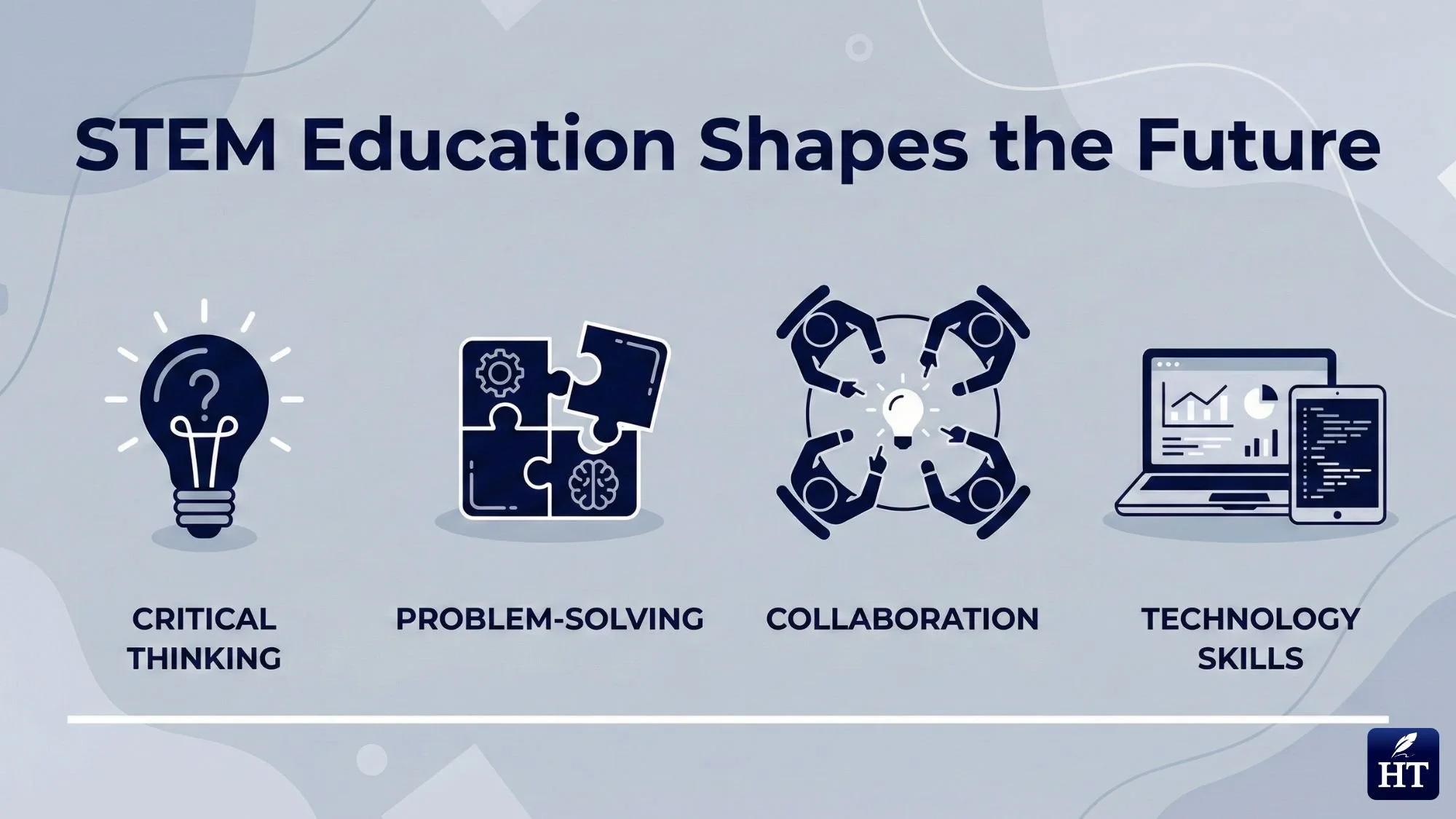
STEM education serves as a foundational framework for building future-ready societies by connecting classroom learning with real-world problem-solving, innovation ecosystems, workforce development, and global competitiveness. Unlike traditional education models that often emphasize isolated subject memorization, STEM education integrates disciplines, encourages hands-on experimentation, and develops transferable skills applicable across virtually all career paths and life challenges.
Understanding how STEM education shapes the future requires recognizing that tomorrow's challenges—climate change, public health crises, technological disruption, resource scarcity, and social inequity—demand sophisticated analytical thinking, technological literacy, collaborative problem-solving, and innovative approaches. STEM education explicitly develops these capabilities in learners from early childhood through advanced professional training.
Why STEM education is fundamental to future preparedness:
The accelerating pace of technological change means that specific job skills learned today may become obsolete within years, but the underlying competencies STEM education develops—critical thinking, systematic problem-solving, data literacy, technological adaptability, and collaborative innovation—remain valuable regardless of how industries evolve. Students who understand scientific principles, can analyze data, apply mathematical reasoning, and use technology effectively position themselves to thrive in unpredictable future environments.
Long-term societal impact:
Nations and communities that invest systematically in STEM education build stronger innovation ecosystems, more resilient economies, and greater capacity to solve complex problems. Research from organizations like UNESCO and the OECD consistently demonstrates that countries prioritizing STEM education experience higher economic productivity, stronger research outputs, more technological innovation, and better social mobility through access to high-opportunity careers.
The multiplier effect of STEM skills:
STEM competencies don't just prepare students for STEM-specific careers (scientists, engineers, programmers). They enhance performance across all fields—business leaders need data analysis skills, healthcare professionals require technological literacy, artists increasingly use digital tools, and civic participation demands understanding of scientific evidence and technological systems. STEM education creates capabilities that multiply benefits throughout society.
Let's examine the specific mechanisms through which STEM education shapes individual and collective futures.
Preparing Students for Future Jobs and Careers
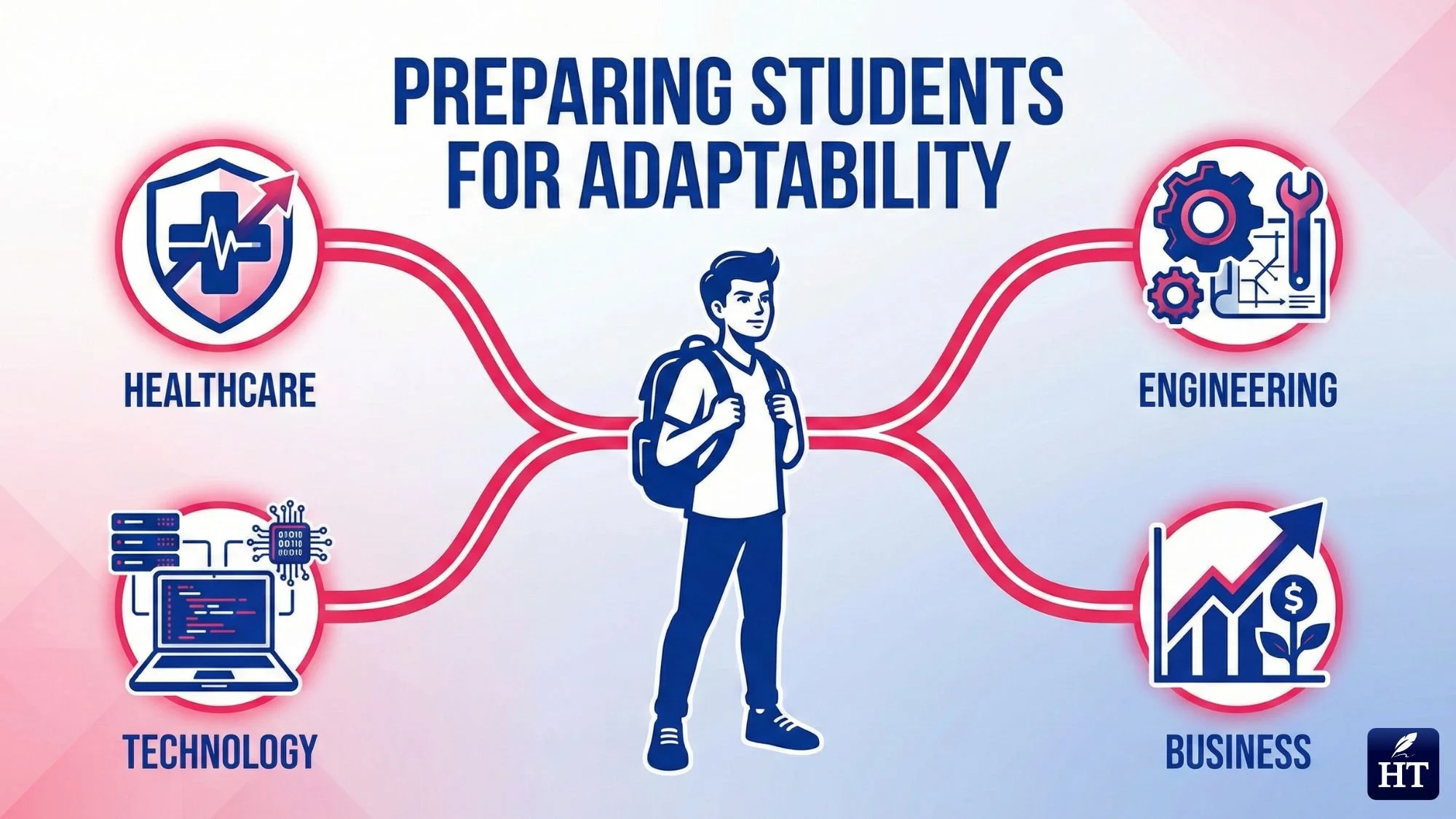
The employment landscape is transforming rapidly, with automation replacing routine tasks, artificial intelligence augmenting human capabilities, and entirely new industries emerging around technological advances. STEM education prepares students not just for specific jobs, but for career adaptability and lifelong learning essential in dynamic labor markets.
How STEM education builds career readiness:
STEM learning develops both technical capabilities (coding, data analysis, scientific literacy, mathematical modeling) and meta-skills (learning how to learn, adapting to new tools, collaborating across disciplines) that enable career resilience. Students comfortable with technology, able to analyze complex information, and skilled at systematic problem-solving can transition between roles, retrain for emerging opportunities, and contribute meaningfully in diverse professional contexts.
Career preparation through STEM:
Demand for STEM and STEM-related careers – Employment projections consistently show faster-than-average growth in STEM occupations, with median salaries significantly exceeding non-STEM roles; even non-STEM careers increasingly require STEM competencies
Skills transferable across industries – Critical thinking, quantitative reasoning, technological fluency, and problem-solving apply equally to healthcare, finance, education, manufacturing, creative industries, and public service
Readiness for automation and AI-driven roles – Understanding how technology works, what it can and cannot do, and how to collaborate with intelligent systems becomes essential as automation transforms work
Long-term career resilience – STEM education emphasizes continuous learning, adaptability, and comfort with complexity—qualities that enable workers to remain employable as industries evolve
Important clarification: STEM education doesn't mean every student must become an engineer or scientist. Rather, it equips all students with analytical and technological capabilities valuable in virtually any career path they choose.
Building Critical Thinking and Problem-Solving Skills
STEM education fundamentally transforms how students think by shifting focus from memorizing facts to analyzing evidence, solving authentic problems, and making reasoned decisions. This cognitive development extends far beyond academic contexts into everyday life and civic participation.
From rote learning to analytical thinking:
Traditional education often emphasizes remembering information for tests. STEM approaches emphasize understanding concepts deeply enough to apply them in novel situations, evaluate competing explanations, design solutions to unfamiliar problems, and assess the validity of claims based on evidence. This shift cultivates intellectual independence and analytical confidence.
Core thinking skills developed through STEM:
Inquiry-based learning approaches – Students learn to ask meaningful questions, design investigations to answer them, and draw conclusions from evidence rather than passively receiving information
Data analysis and logical reasoning – Working with quantitative and qualitative data teaches students to identify patterns, recognize relationships, distinguish correlation from causation, and base decisions on evidence
Experimentation and evidence-based thinking – Hands-on scientific investigation demonstrates how knowledge is created, tested, and refined through systematic observation and controlled experimentation
Decision-making under uncertainty – Real-world STEM challenges rarely have single correct answers; students learn to evaluate trade-offs, consider multiple perspectives, and make informed choices with incomplete information
Broader applications: These thinking skills prove essential in contexts far beyond science labs—evaluating health information, assessing financial decisions, understanding public policy debates, navigating misinformation, and solving community challenges all require evidence-based reasoning and systematic problem-solving.
Encouraging Innovation, Creativity, and Entrepreneurship
A common misconception holds that STEM education stifles creativity by emphasizing rigid logic and technical skills. The opposite is true—effective STEM education fuels innovation and entrepreneurship by combining analytical rigor with creative problem-solving, design thinking, and imaginative application of knowledge.
STEM as creative practice:
Innovation requires both domain knowledge and creative thinking. Engineers must imagine novel solutions, scientists develop creative hypotheses, programmers design elegant code, and mathematicians recognize beautiful patterns. STEM education at its best integrates technical mastery with creative exploration, encouraging students to imagine possibilities, prototype solutions, iterate based on feedback, and think entrepreneurially about creating value.
How STEM cultivates innovation:
Hands-on projects and design thinking – Building, creating, and making teach students to move from ideas to prototypes, fail productively, refine designs, and develop tangible solutions
Product development and prototyping – Students learn complete innovation cycles: identifying problems, brainstorming solutions, building prototypes, testing with users, and improving based on feedback
Startup and entrepreneurial mindsets – STEM projects often involve pitching ideas, considering market needs, managing resources, collaborating in teams, and thinking about scalability and impact
Cross-disciplinary creativity – The "A" in STEAM (Science, Technology, Engineering, Arts, Mathematics) reflects how artistic thinking enhances technical innovation and how technology enables new forms of creative expression
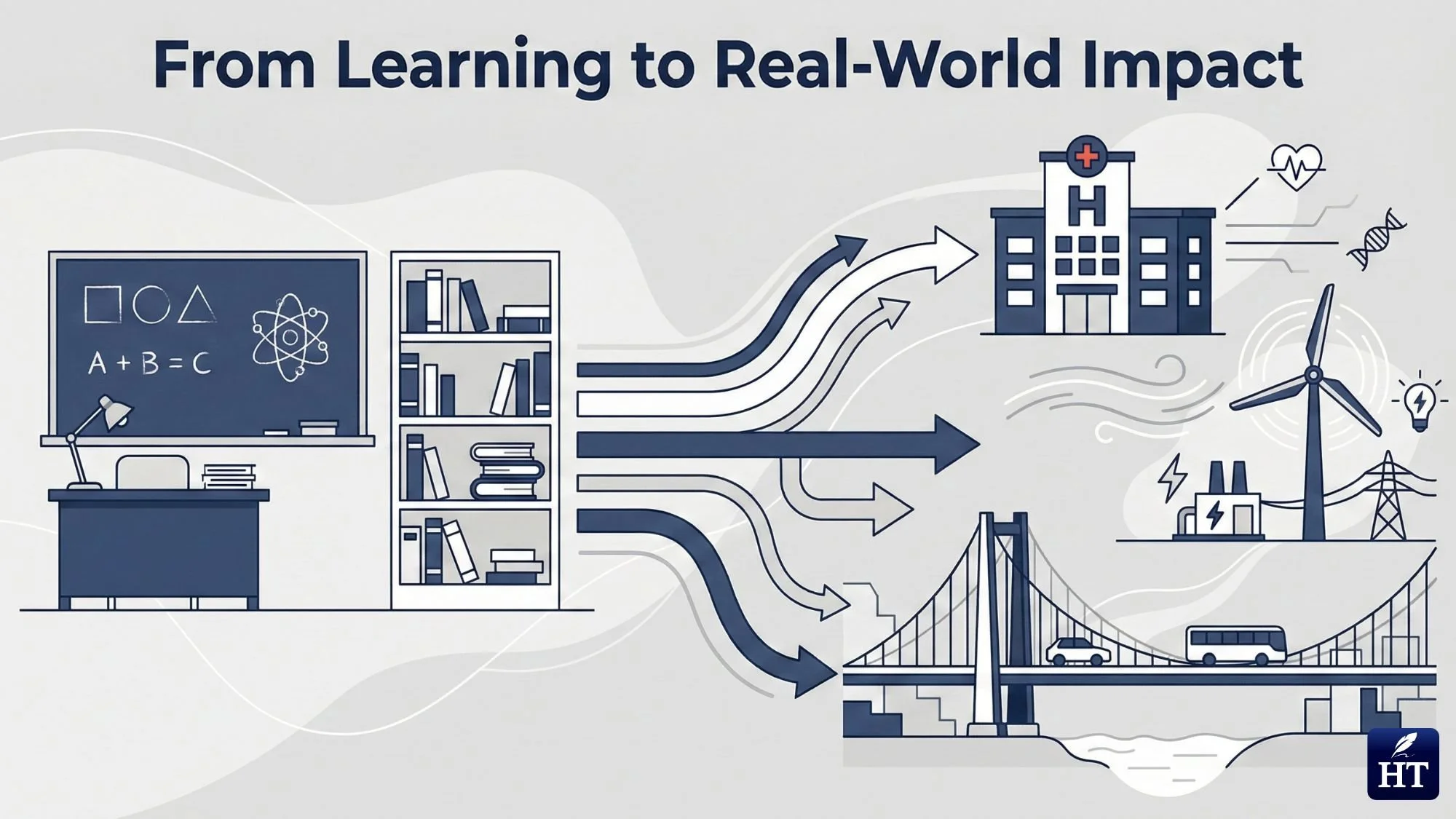
Real-world impact: Many successful entrepreneurs and innovators credit STEM education with teaching them to identify problems worth solving, develop systematic approaches to innovation, and persist through challenges until reaching viable solutions.
Strengthening Global Competitiveness and Economic Growth
National investments in STEM education directly correlate with economic prosperity, technological leadership, and capacity to address global challenges. Countries recognizing this connection prioritize STEM learning as strategic infrastructure, not just educational programming.
The economic case for STEM education:
High-performing economies consistently demonstrate strong STEM education systems producing skilled workforces, robust research outputs, technological innovations, and entrepreneurial ecosystems. As global competition intensifies around advanced manufacturing, artificial intelligence, biotechnology, clean energy, and digital services, nations with STEM-educated populations gain significant competitive advantages.
Economic and societal benefits:
Skilled workforce development – STEM education creates talent pipelines for high-value industries requiring technical expertise, analytical capabilities, and innovation capacity
Research and technological leadership – Strong STEM education systems produce researchers, engineers, and scientists who advance knowledge, create intellectual property, and drive technological progress
Productivity and economic resilience – Technologically literate workforces adopt innovations faster, improve processes more effectively, and adapt to disruptions more successfully
Global problem-solving capacity – Climate change, pandemics, resource scarcity, and other worldwide challenges require collaborative international efforts led by STEM-educated professionals
Competitive dynamics: Countries like Singapore, Finland, South Korea, and Estonia demonstrate how systematic STEM education investments translate into economic competitiveness, high living standards, and capacity to punch above their weight globally in innovation and technology sectors.
Promoting Equity, Inclusion, and Lifelong Learning
STEM education serves as a powerful tool for social mobility and inclusion when designed and delivered equitably. Access to quality STEM learning opens pathways to high-opportunity careers for students from all backgrounds, while inclusive STEM education ensures diverse perspectives strengthen innovation.
Equity and access in STEM:
Historically, STEM fields have suffered from underrepresentation of women, minorities, students with disabilities, and learners from lower-income communities. Addressing these gaps requires intentional effort to make STEM education welcoming, relevant, and accessible to all students regardless of background, gender, ability, or socioeconomic status.
How STEM education promotes inclusion and opportunity:
Access to high-opportunity careers – STEM jobs typically offer strong salaries, career advancement, and economic security; expanding STEM access creates pathways out of poverty and into middle-class prosperity
Inclusion across gender and abilities – Intentional efforts to recruit and support women, students with disabilities, and underrepresented minorities in STEM challenge stereotypes and diversify innovation
Continuous learning culture – STEM education emphasizes that intelligence develops through effort (growth mindset), making challenges opportunities rather than indicators of fixed ability
Social mobility through education – High-quality STEM education in under-resourced communities provides opportunities that might otherwise remain inaccessible, breaking cycles of limited opportunity
Long-term societal benefits: Diverse STEM workforces produce more innovative solutions because they bring varied perspectives, experiences, and approaches to problem-solving. Inclusive STEM education strengthens both individual opportunity and collective innovation capacity.
How Does STEM Education Help Students?
Beyond preparing students for future careers, STEM education provides immediate academic, personal, and social benefits that enhance learning experiences and student development across all subject areas.
Research consistently demonstrates that students engaged in quality STEM programs show improved outcomes not just in science and math, but in reading comprehension, critical thinking, and collaborative skills. The hands-on, inquiry-based nature of STEM learning increases engagement, particularly for students who struggle with traditional lecture-based instruction.
Direct student benefits:
Improved engagement and motivation – Active learning through projects, experiments, and challenges makes education more interesting and relevant, reducing boredom and increasing attendance
Stronger academic performance – Skills developed through STEM (analytical thinking, systematic problem-solving, persistence) transfer to other subjects, improving overall academic achievement
Collaboration and communication skills – Team-based STEM projects teach students to work effectively with others, communicate technical ideas clearly, give and receive feedback, and share responsibilities
Confidence in science and technology – Early positive STEM experiences reduce math and science anxiety, build self-efficacy, and encourage students to see themselves as capable in technical fields
Social-emotional development: STEM education also builds resilience through productive failure—students learn that mistakes are learning opportunities, that complex problems require multiple attempts, and that persistence yields results. This growth mindset serves students throughout life.
How Does STEM Education Work?
Understanding how STEM education functions in practice helps educators, parents, and policymakers recognize what distinguishes effective STEM instruction from traditional teaching methods.
STEM education operates through integrated, application-focused approaches that connect classroom learning to real-world contexts. Rather than teaching science, technology, engineering, and mathematics as isolated subjects, STEM instruction emphasizes how these disciplines interconnect and apply to authentic challenges.
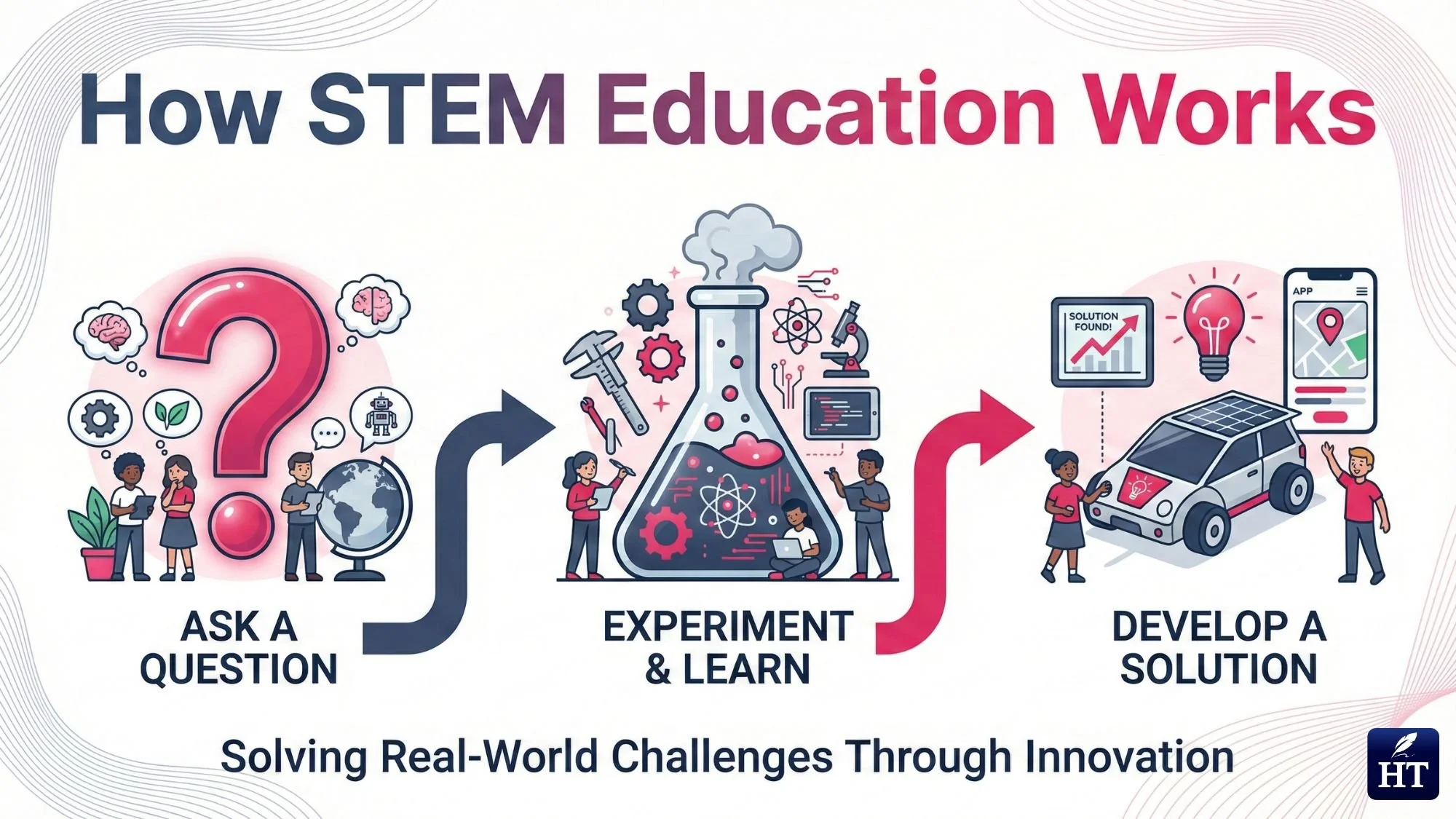
Core implementation approaches:
Project-based learning models – Students work on extended projects addressing real-world problems, conducting research, developing solutions, and presenting findings to authentic audiences
Interdisciplinary instruction – Lessons integrate multiple STEM subjects (using math to analyze scientific data, applying engineering principles to technology projects) rather than treating each subject separately
Technology integration – Students use digital tools, coding platforms, data visualization software, and maker technologies as instruments for learning and creating, not just topics to study
Application-focused assessment – Evaluation emphasizes demonstrating understanding through performance (building, coding, presenting) rather than just answering test questions about memorized facts
Classroom examples: Elementary students might design solutions to reduce playground erosion (integrating earth science, measurement, engineering design). Middle schoolers could program robots to complete challenges (combining coding, physics, and problem-solving). High schoolers might analyze community health data and propose interventions (connecting statistics, biology, and public health).
How Child Care Centers Integrate STEM into Early Education
STEM learning begins in early childhood, with age-appropriate activities introducing foundational concepts through play, exploration, and natural curiosity. Quality child care centers recognize that even very young children benefit from STEM experiences.
Early STEM education doesn't mean teaching calculus to toddlers—it means nurturing innate curiosity, supporting exploration of the physical world, building early mathematical thinking through counting and patterns, and encouraging questioning and investigation. These experiences create positive STEM dispositions before children develop math or science anxiety.
Early childhood STEM approaches:
Play-based STEM activities – Block building develops spatial reasoning and engineering thinking; water play introduces physics concepts; sorting games build classification and mathematical skills
Early numeracy and science exploration – Counting objects, recognizing patterns, observing nature, asking "why" questions, and testing simple predictions introduce STEM thinking naturally
Curiosity-led learning – Educators follow children's interests (Why do leaves change colors? How do magnets work?) to introduce scientific concepts through authentic wonder
Hands-on discovery – Sensory experiences, nature exploration, simple experiments, and building activities let young children construct understanding through direct interaction with materials
Long-term impact: Research shows that positive early STEM experiences significantly increase likelihood of pursuing STEM interests later, while early negative experiences (being told "you're not a math person") can create lasting aversion. High-quality early childhood STEM builds foundations for future success.
How Important Is STEM Education Today?
In today's rapidly evolving global economy, STEM education has shifted from optional enrichment to essential preparation for virtually all students, regardless of their intended career paths.
The ubiquity of technology, the data-driven nature of modern decision-making, the complexity of global challenges, and the pace of innovation all demand populations with strong STEM literacy. Countries and communities recognizing this urgency invest accordingly in STEM infrastructure, teacher training, curriculum development, and equitable access.
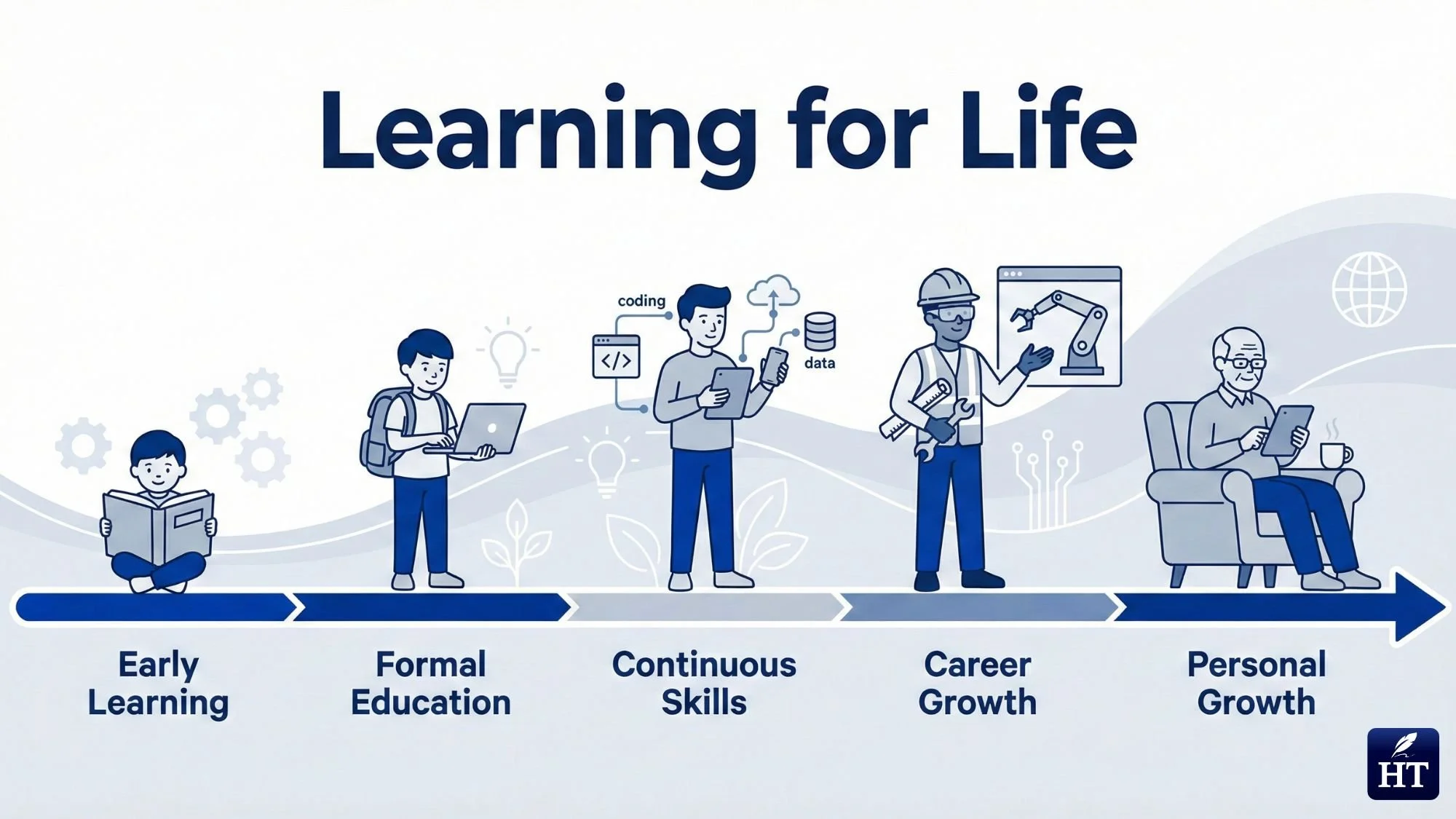
Why STEM matters now more than ever:
Technological transformation – Digital technologies permeate every industry and aspect of life; understanding how technology works becomes as fundamental as reading and writing literacy
Workforce automation – Routine tasks increasingly performed by machines mean human workers must excel at complex problem-solving, creativity, and analytical thinking—precisely what STEM education develops
Global education benchmarks – International assessments (PISA, TIMSS) measure STEM performance as indicators of national competitiveness; countries lagging in STEM risk long-term economic disadvantage
Future-ready skill development – Uncertainty about specific future jobs makes developing adaptable, transferable STEM capabilities more important than training for particular current positions
Practical urgency: Students graduating without strong STEM foundations face significant barriers in higher education and careers, limited understanding of technologies shaping their world, and reduced capacity for informed civic participation on issues like climate policy, public health, and technological regulation.
How to Teach and Improve STEM Education
Effective STEM instruction requires specific pedagogical approaches and institutional support that differ from traditional subject-based teaching. Educators and institutions can strengthen STEM outcomes through evidence-based practices.
How to Teach STEM Education Effectively
Best practices in STEM teaching emphasize active learning, authentic contexts, student agency, and integration across disciplines rather than passive reception of information.
Effective STEM educators act as facilitators who design rich learning experiences, ask probing questions, provide scaffolding when needed, and allow productive struggle rather than lecturing facts for students to memorize.
Teaching strategies that work:
Hands-on experimentation – Students learn by doing—conducting investigations, building prototypes, testing hypotheses, and analyzing results rather than just reading about scientific concepts
Real-world problem contexts – Lessons connect to authentic challenges students care about (community issues, environmental concerns, design challenges) rather than abstract textbook scenarios
Technology-supported learning – Strategic use of simulations, coding platforms, data visualization tools, and maker technologies enhances exploration and deepens understanding
Student-led inquiry – Educators guide students to develop their own questions, design investigations, and discover answers rather than following predetermined procedures
Professional development: Teachers need ongoing training in STEM pedagogy, subject content knowledge, and new technologies to deliver high-quality instruction. Effective STEM teaching requires different skills than traditional lecture-based approaches.
How to Use Collaborative Learning in STEM Education
Collaboration amplifies STEM learning by engaging students in teamwork, communication, and shared problem-solving that mirrors real-world STEM practice.
Scientists collaborate in research teams, engineers work in cross-functional groups, programmers contribute to shared code bases, and mathematicians discuss proofs collegially. Teaching STEM through collaboration prepares students for professional practice while enhancing learning through peer interaction.
Collaborative STEM strategies:
Team-based projects – Groups work together on extended challenges, dividing responsibilities, leveraging individual strengths, and producing collective outcomes
Peer learning – Students explain concepts to each other, critique each other's work, and build understanding through discussion and shared problem-solving
Communication skill building – Presenting findings, defending design choices, and explaining technical concepts develop essential professional communication abilities
Shared responsibility – Collaborative environments teach accountability, time management, conflict resolution, and collective achievement—skills valuable far beyond STEM contexts
Implementation consideration: Effective collaboration requires structured tasks with clear individual accountability to prevent free-riding while maintaining collective goals that genuinely require teamwork.
How to Encourage STEM Education
Supporting STEM education extends beyond teachers and classrooms to involve parents, schools, communities, industries, and policymakers working collaboratively to create STEM-rich environments and opportunities.
Building strong STEM ecosystems requires coordinated efforts across multiple stakeholders, each contributing unique resources and perspectives to expand access, improve quality, and increase engagement.
How different groups can support STEM:
Parental engagement – Families encourage STEM interests by valuing math and science, providing STEM toys and activities, visiting science museums, supporting STEM coursework, and modeling positive attitudes toward technical subjects
School resources and funding – Institutions invest in laboratory equipment, maker spaces, technology infrastructure, STEM curriculum materials, and extracurricular programs (robotics clubs, science olympiad, coding teams)
Teacher training – Professional development programs help educators develop STEM content knowledge, pedagogical skills, and confidence to deliver engaging, rigorous STEM instruction
Community and industry partnerships – Businesses provide mentors, internships, guest speakers, equipment donations, and authentic problem contexts; universities offer outreach programs and resources; museums and libraries provide informal STEM learning
Systemic support: Sustainable STEM ecosystems require policy frameworks supporting STEM as priority, funding mechanisms ensuring equitable access, career pathways connecting education to employment, and cultural messaging valuing STEM achievement.
Becoming a STEM Educator or Running a STEM Education Center
For those inspired to contribute directly to STEM education, pathways exist both as classroom teachers and as entrepreneurs creating STEM learning experiences.
How to Become a STEM Educator
Entering STEM education professionally typically requires specific academic preparation, teaching credentials, and ongoing professional development to remain current with content and pedagogy.
STEM educators need deep subject knowledge in their disciplines combined with pedagogical expertise in how students learn STEM concepts, common misconceptions, effective instructional strategies, and assessment approaches.
Pathways to STEM teaching:
Relevant degrees and certifications – Bachelor's degrees in STEM fields (biology, chemistry, physics, mathematics, engineering, computer science) or STEM education specializations provide necessary content knowledge
Teaching credentials – State-specific teaching licenses require completion of teacher preparation programs, student teaching experience, and passing certification exams in content areas and pedagogy
Ongoing professional development – Effective STEM teachers continuously update skills through workshops, graduate coursework, professional learning communities, and conferences focused on STEM education innovation
Alternative pathways: Some programs recruit STEM professionals into teaching through alternative certification routes, recognizing that engineers, scientists, and technologists bring valuable real-world experience alongside developing pedagogical skills.
How to Run a Profitable STEM Education Center
STEM education businesses—after-school programs, summer camps, tutoring centers, maker spaces—serve growing demand for supplemental STEM learning experiences beyond traditional school settings.
Successfully operating STEM education centers requires balancing educational mission with business sustainability, ensuring quality instruction while maintaining financial viability.
Business fundamentals for STEM centers:
Market demand analysis – Understanding local community needs, gaps in existing STEM offerings, target demographics (age ranges, income levels), and competitive landscape
Curriculum differentiation – Developing unique, high-quality programming that stands out from alternatives through specialized focuses (robotics, coding, engineering design), innovative pedagogies, or specific student populations served
Community trust and engagement – Building reputation through demonstrated outcomes, parent communication, student showcases, and community partnerships that establish credibility and generate enrollment
Sustainable pricing models – Setting tuition that covers costs while remaining accessible, creating scholarship programs for economic diversity, and developing multiple revenue streams (classes, camps, birthday parties, school partnerships)
Mission-driven entrepreneurship: Successful STEM education businesses maintain clear focus on educational outcomes and student impact while applying sound business practices to ensure long-term sustainability and community service.
How to Support Blind Students in STEM Education
Inclusive STEM education ensures all students, including those with visual impairments, can fully participate in and benefit from STEM learning. With appropriate accommodations, assistive technologies, and inclusive design, blind and visually impaired students excel in STEM fields.
Historically, assumptions that vision is necessary for STEM have created barriers for blind students. Modern understanding recognizes that with proper support, blind learners access STEM content through alternative modalities, developing the same analytical, problem-solving, and creative capabilities as sighted peers.
Supporting blind students in STEM:
Assistive technologies – Screen readers, tactile graphics, 3D-printed models, audio descriptions, braille displays, and talking calculators make STEM content accessible through non-visual means
Inclusive curriculum design – Materials designed from the start for multi-sensory access (tactile models, verbal descriptions, accessible digital formats) rather than retrofitted accommodations after the fact
Specialized teacher training – Educators learn techniques for teaching STEM concepts without relying on visual demonstrations, adapting labs for tactile exploration, and supporting assistive technology use
Equal access to resources – Ensuring blind students participate fully in hands-on activities, lab work, field trips, and maker projects through thoughtful accommodation and adaptive equipment
Success examples: Blind scientists, engineers, mathematicians, and programmers demonstrate that visual impairment doesn't preclude STEM excellence. Creating genuinely inclusive STEM education expands talent pools and enriches learning communities.
Conclusion
Understanding how can STEM education shape the future reveals that investment in science, technology, engineering, and mathematics learning creates capabilities essential for individual success and collective progress. STEM education develops critical thinking, problem-solving, technological literacy, collaboration, and innovation—skills that remain valuable regardless of how specific jobs and industries evolve.
From early childhood exploration through advanced professional training, STEM approaches transform education from passive knowledge reception to active problem-solving, from isolated subject memorization to integrated application, and from individual competition to collaborative achievement. Students experiencing quality STEM education gain not just technical skills but also adaptable mindsets, analytical confidence, and creative problem-solving abilities that serve them throughout life.
The future belongs to individuals and societies that can think critically about complex challenges, adapt to rapid change, leverage technology effectively, and innovate solutions to emerging problems. STEM education builds precisely these capabilities while expanding opportunity, strengthening economies, and addressing global challenges. By prioritizing STEM learning today, we create more capable, resilient, and innovative generations ready to shape better futures.
Ready to explore more educational innovation and learning strategies? Visit HYE Tutors for comprehensive guides on modern teaching methods, educational technology, student success strategies, career preparation, and innovative learning approaches designed to help students thrive in rapidly changing educational landscapes.
References
UNESCO: STEM Education – Global perspective on STEM education
National Science Foundation: STEM Education – Research and programs supporting STEM
OECD: PISA Results – International education assessment data